Patient information leaflet from The Menopause Partnership (GP-led specialist care for women).
What is Premature Ovarian Insufficiency (POI)?
Premature Ovarian Insufficiency (POI) occurs when the ovaries stop functioning normally before the age of 40.
The ovaries are responsible for producing oestrogen, progesterone and testosterone, as well as releasing eggs. In POI, hormone production becomes reduced or unpredictable, and ovulation may stop.
Although POI is sometimes referred to as “early menopause,” ovarian function can occasionally return temporarily, and spontaneous ovulation may still occur.
What causes POI?
In many cases, no clear cause is identified. Possible causes include:
- Genetic factors
- Autoimmune conditions
- Previous chemotherapy or radiotherapy
- Surgical damage to the ovaries
- Certain rare infections
Further assessment may be recommended to explore potential underlying causes, particularly in younger women.
How is POI different from natural menopause?
Natural menopause typically occurs between the ages of 45 and 55 and develops gradually over time.
Premature Ovarian Insufficiency occurs before the age of 40 and may develop either suddenly or gradually. Ovarian activity can be intermittent, meaning hormone production and ovulation may occasionally resume. Because POI affects women at a younger age than natural menopause, it can have implications for fertility and long-term health, which require careful consideration and appropriate medical management.
What symptoms may occur?
Symptoms are caused by reduced oestrogen levels and may include:
- Irregular or absent periods
- Hot flushes
- Night sweats
- Sleep disturbance
- Vaginal dryness
- Reduced libido
- Mood changes
- Reduced concentration
- Fatigue
Some women are diagnosed during investigation for difficulty conceiving.
Why treatment is important
Low oestrogen at a young age is associated with an increased long-term risk of osteoporosis, heart disease, vaginal and bladder problems and dementia. For this reason, hormone replacement therapy is usually recommended unless there is a medical reason not to use it. Treatment is advised not only to improve current symptoms, but also to protect bone, heart, brain and overall long-term health.
Treatment options
Hormone Replacement Therapy (HRT) is the main treatment for POI.
HRT replaces the hormones that the ovaries would normally produce and is generally recommended until at least the average age of natural menopause (around 51).
The risk profile of HRT in women with POI differs from that in women starting HRT after natural menopause, as treatment is replacing hormones at an age when these hormones would normally still be present.
Some women may also require:
- Vaginal oestrogen for local symptoms
- Contraception, as ovulation can occasionally occur
- Testosterone therapy where low libido or low energy persist
- Referral to a fertility specialist if pregnancy is desired
Treatment should be individualised according to symptoms, medical history and reproductive plans.
Emotional wellbeing
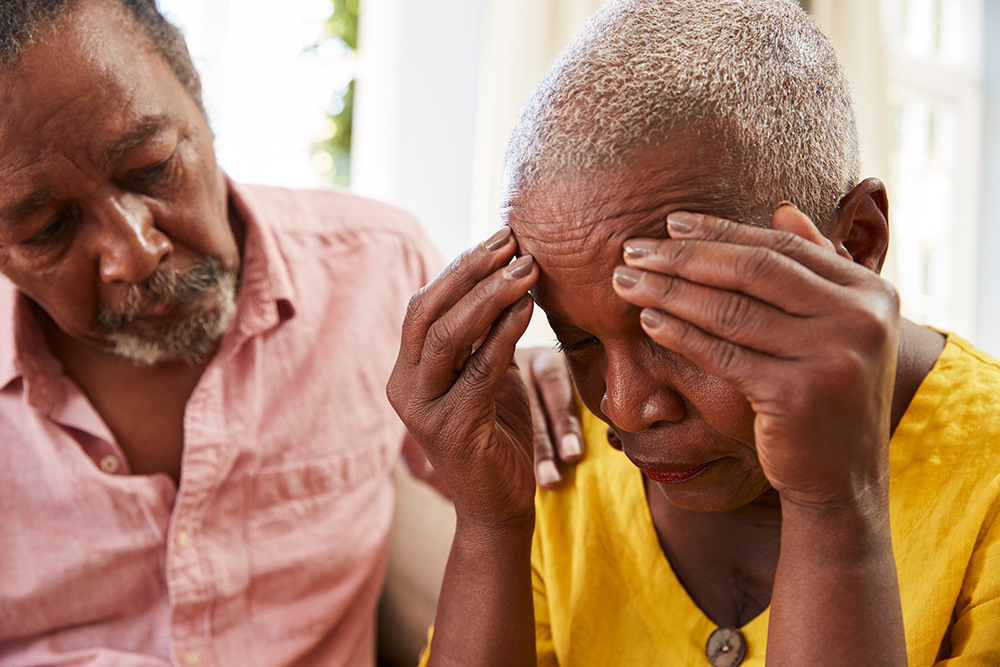
A diagnosis of POI can feel unexpected and distressing, particularly for younger women. In addition to physical symptoms, some women experience a sense of shock, grief, concerns about fertility, anxiety about long-term health, or changes in confidence and identity. These reactions are understandable. Support from a menopause specialist can help address both the physical and emotional aspects of POI, ensuring that care is compassionate, evidence-based and tailored to your individual circumstances.
When to seek medical advice
You should seek medical advice if you experience irregular or absent periods before the age of 40, develop menopausal symptoms at a young age, or have concerns about fertility. If you have already been diagnosed with POI and experience worsening symptoms, low mood, or concerns about your treatment plan, a clinical review can help ensure that your care remains appropriate and supportive.
Summary
Premature Ovarian Insufficiency is a condition in which the ovaries stop functioning normally before the age of 40. While the diagnosis can feel unexpected, effective treatment is available.
Hormone replacement therapy, lifestyle support and specialist care can help manage symptoms and protect long-term health. Our menopause specialists can provide personalised assessment, treatment guidance and ongoing support.