Patient information leaflet from The Menopause Partnership (GP-led specialist care for women).
What is surgical menopause?
Surgical menopause occurs when both ovaries are removed (bilateral oophorectomy).
The ovaries produce the hormones oestrogen, progesterone and testosterone. When they are removed, hormone levels fall suddenly and significantly. This causes an immediate menopause, regardless of age.
Why does surgical menopause happen?
Surgical menopause may occur as part of treatment for:
- Endometriosis
- Ovarian cysts or tumours
- Gynaecological cancers
- Risk-reducing surgery in women at increased genetic risk (such as BRCA mutations)
- Severe pelvic pain or other complex conditions
Removal of the uterus alone (hysterectomy) does not cause menopause unless the ovaries are also removed, but sometime menopause does occur sooner than it would due to altered blood flow to the ovaries following surgery.
How is it different from natural menopause?
Natural menopause usually develops gradually over several years, as hormone levels slowly decline.
Surgical menopause:
- Happens immediately
- Causes an abrupt drop in hormone levels
- May lead to more sudden or intense symptoms
Because there is no gradual transition, symptoms can feel more noticeable.
What symptoms may occur?
Symptoms are caused by the sudden fall in oestrogen and may include:
- Hot flushes
- Night sweats
- Sleep disturbance
- Mood changes or anxiety
- Reduced concentration
- Vaginal dryness
- Reduced libido
- Joint aches
- Fatigue
Some women experience symptoms more intensely than they would during a natural menopause.
Why treatment is important
If surgical menopause occurs before the age of 45 – and particularly before 40 – the long-term health impact can be significant.
Low oestrogen at a younger age increases the risk of:
- Osteoporosis
- Heart disease
- Cognitive changes
- Vaginal and bladder symptoms
- Sexual dysfunction
For this reason, hormone treatment is usually recommended unless there is a medical reason not to use it.
Treatment options
Hormone Replacement Therapy (HRT) is the main treatment for surgical menopause.
If the uterus is still present:
- Both oestrogen and progesterone are required.
If the uterus has been removed:
- Oestrogen alone is usually sufficient. However, in some cases (for example, with a history of endometriosis), progesterone may still be recommended.
Some women may also benefit from:
- Vaginal oestrogen for local symptoms
- Testosterone therapy where low libido or low energy persist
Hormone treatment is usually advised until at least the average age of natural menopause (around 51), unless individual circumstances suggest otherwise.
Emotional wellbeing
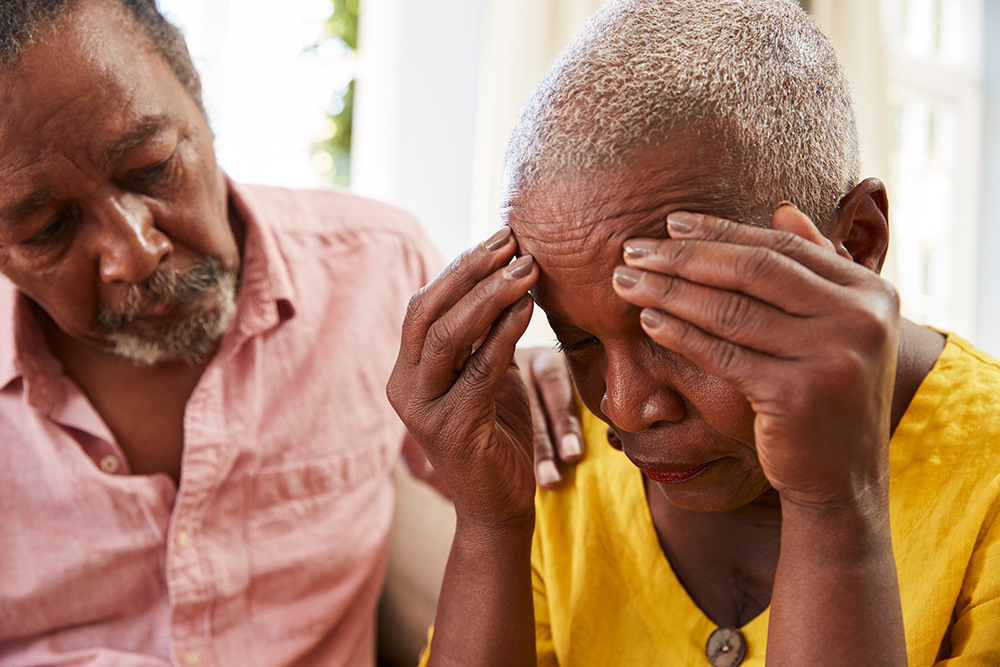
Surgical menopause can feel sudden and overwhelming. In addition to physical symptoms, some women experience emotional and psychological changes, including a sense of loss, concerns about identity or femininity, anxiety about long-term health, and changes in sexual confidence or intimacy. These responses are understandable. The abrupt hormonal change, together with the circumstances surrounding surgery, can have a significant emotional impact. Support from a menopause specialist can help address both the physical and emotional aspects of surgical menopause, ensuring care is tailored to your individual needs.
When to seek medical advice
It is important to seek medical advice if you experience bothersome menopausal symptoms, low mood or anxiety that does not improve, ongoing sexual pain or discomfort, or concerns about your bone or cardiovascular health. If symptoms are affecting your quality of life or you feel uncertain about your treatment plan, a review with a clinician can help identify contributing factors and ensure that your care is appropriate, safe and tailored to your individual needs. As menopause symptoms can be sudden and severe following surgical menopause, you may want to seek medical help early on so treatment can be optimised as soon as possible, or even before surgery.
Summary
Surgical menopause causes an immediate and significant fall in hormone levels. While symptoms can be more sudden than in natural menopause, effective treatment is available.
Hormone therapy, lifestyle support and specialist care can help protect long-term health and improve quality of life.
If you would like personalised advice, our menopause specialists can support you through diagnosis, treatment decisions and ongoing care.